Locations






The University of Toronto and AMD are building a research and development lab aimed at spurring next-generation technologies in artificial intelligence and computing.
The lab builds on an existing partnership between the university’s computer science department and AMD that began in 2020. AMD is working with graduate-level students and researchers on projects covering advanced computer models, chip design and artificial intelligence.
AMD is an international designer of high-performance computing, graphics and AI technologies. Its technology hub in Markham, Ont. has over 2,000 employees. It also has offices in Ottawa and Vancouver. AMD's Canadian team focuses on research and development advanced chip designs and AI solutions.
To date, AMD and U of T have completed more than 30 applied research projects through the department of computer science’s master of science in applied computing (MScAC) program.
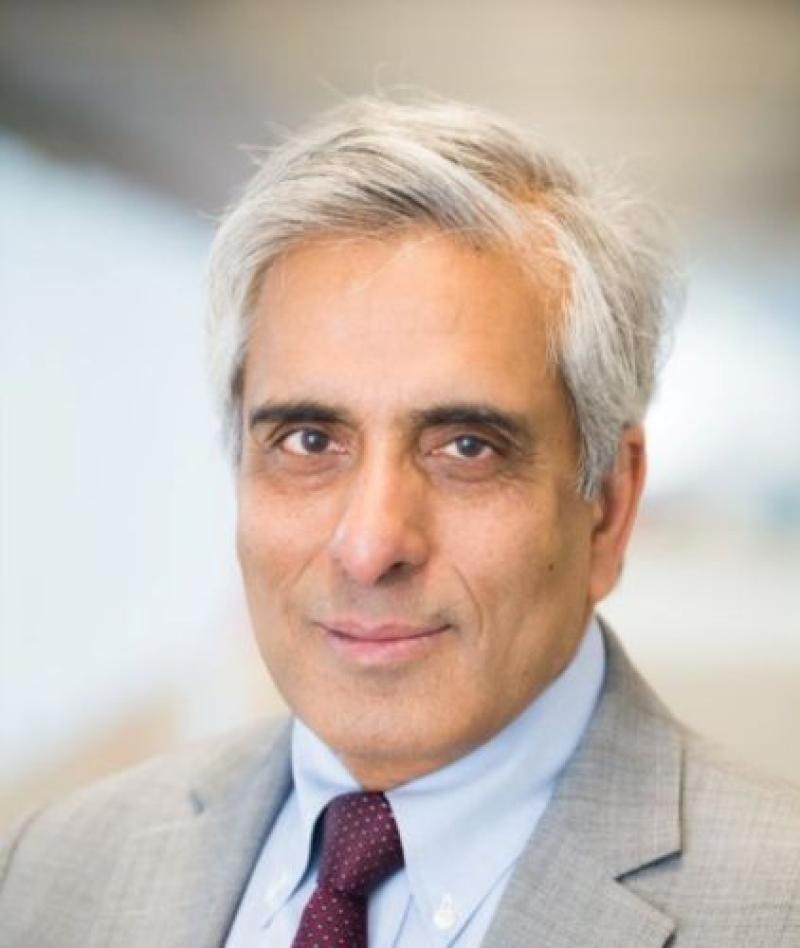
According to Arvind Gupta, professor of computer science and academic director of professional programs at the University of Toronto, AMD was impressed by the graduate students it worked with and the results produced with them.
AMD proposed to open with the university a dedicated research lab on the campus so it could continue working with the graduate students and professors.
“This is a lab that will sit between the university and AMD, where [AMD] can bring research challenges that they are working on and work with us to formulate joint projects to tackle those challenges,” Gupta added. "It’s a great way for our students to do both foundational research and applicable research.
"This is a great way to give hard challenges to students as thesis projects and for moving those students into being hired by AMD to continue working here in Canada.”
Driving next generation AI research
The lab will focus on research to build more energy-efficient AI systems, advancing enterprise-scale data intelligence and developing decentralized methods for training large AI models across distributed computing clusters.
Gupta said in the first year of operation, the lab will support 18 graduate students working on eight projects between the university and AMD. It then plans to grow to 100 students working on 100-or-more projects.
This level of research and development will place U of T alongside Carnegie Mellon University, ETH Zurich and the National University of Singapore in AMD's global network of applied research and development partnerships.
The long-term goal is to develop an ever-deepening talent pipeline between the university and AMD. Research will lead to real-world solutions and make the university into an international hub of cutting-edge AI and computer development, attracting more students, researchers and companies, Gupta continued.
Gupta could not give an opening date for the lab, only that an existing building has been chosen and work has started to have it ready for the high-powered AI servers AMD will donate for the lab.
This is not the first such collaboration between a technology company and the University of Toronto.
In 2025, the investment management group Vanguard joined the University of Toronto’s department of computer science to establish several on-campus labs to work with Vanguard’s Toronto-based AI research teams. These labs are developing AI solutions for various business challenges and to drive innovation within the financial services industry.
“If you speak with Vanguard, they will tell you that they wanted to do this because of the access they have to great people,” he said. With this initiative with AMD and others, Gupta sees Toronto becoming an essential location for leading technology companies to set up operations to leverage the region's talent and development ecosystem.
“This ecosystem supports talent development, spin-offs and strengthens Canada’s position in the global technological landscape,” he added “Let’s not settle for second best.
"With this program we are taking on MIT, Stanford, Berkeley and others. We are going for the same students they are and we are now making the case that those students and graduate students should come here.”


 Industry Events
 Locations